
Survivor Presentations
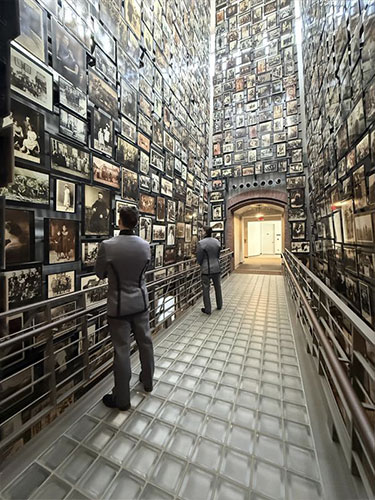
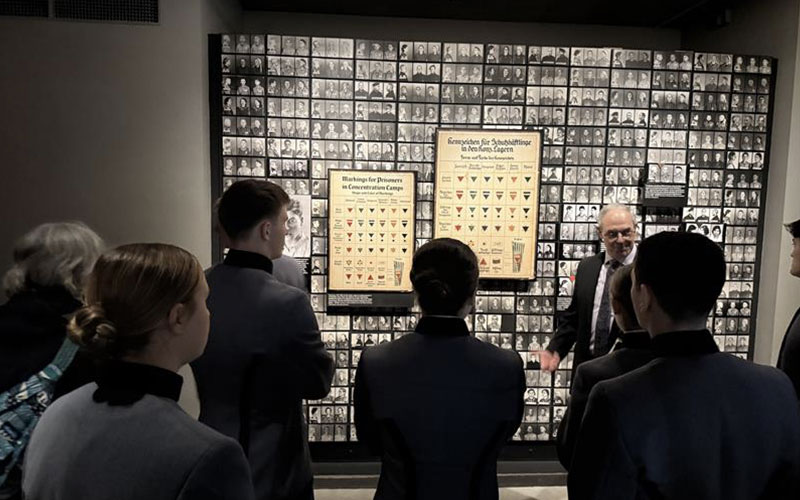
Beitler Family Foundation Annual Holocaust Memorial Museum Visit
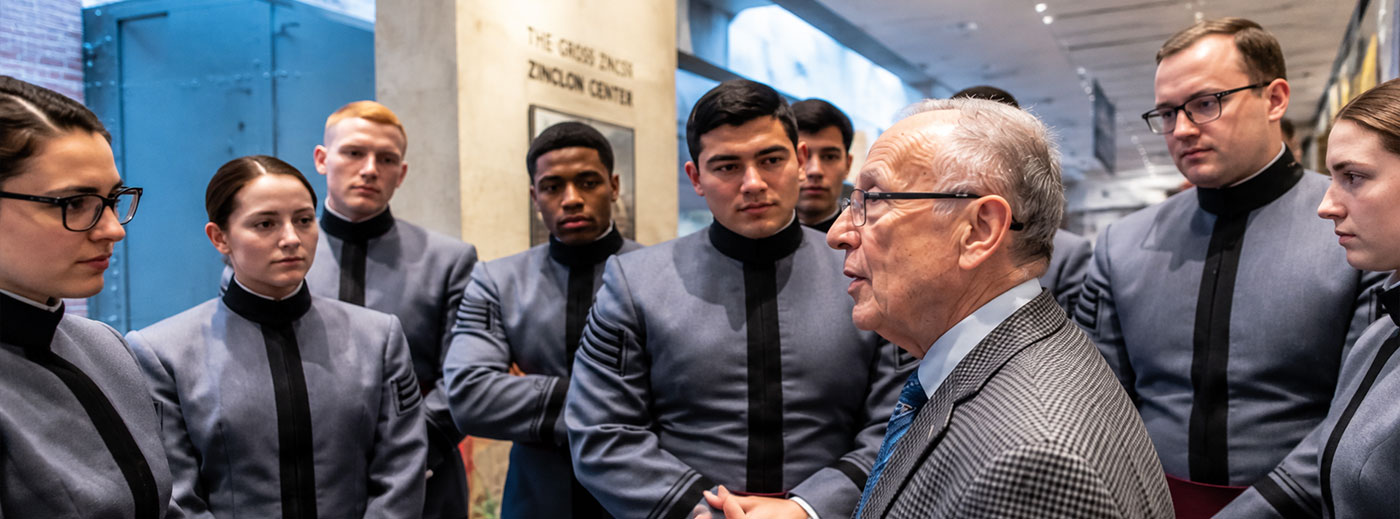
Holocaust survivors are an integral part of cadet learning during the Resnick Center’s annual trip to the United States Holocaust Memorial Museum. Over the years, survivors including Rose-Helene Spreiregen, Dr. Dr. Al Münzer, Susan Warsinger, and Margit Meissner, have spoken of their experiences and participated in discussions with cadets during the Annual Beitler Family Trip.
On other trips to the U.S. Holocaust Memorial Museum, cadets have heard from survivor speakers such as Peter Gorgo, who shared his stories of daily life in the Budapest ghetto during the Nazi occupation of Hungary. Additionally, Estelle Laughlin discussed with cadets about her ordeals and struggle to survive in hiding in Nazi-occupied Poland, Rae Goldberg, a young partisan in Northeast Poland and Belarus during WWII, and Irene Weiss who shared her gripping stories of persecution, loss, and survival at Auschwitz and in forced marches across Europe.
Survivor Testimonies & Lectures
Learning from Experience
Honoré Gatera:
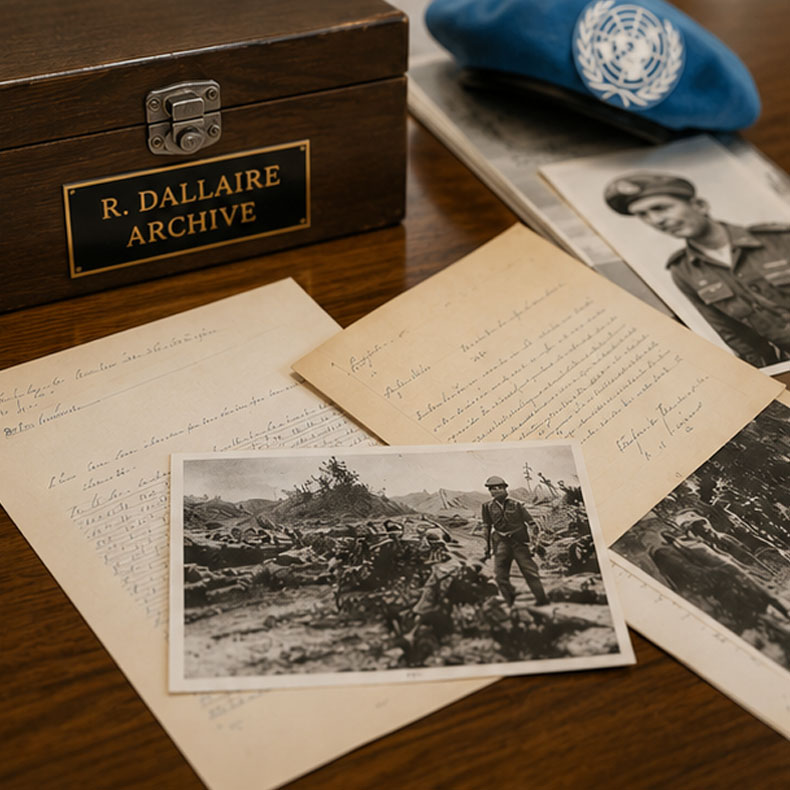
As part of The Opening of the Roméo Dallaire Archive and 20th Commemoration of the Genocide in Rwanda on 12-13 September 2024, Honoré Gatera, who survived the genocide in Rwanda as a young child, spoke about the means of preserving the memory of the killings. Mr. Gatera’s talk focused on the ability of communities to heal after mass atrocities by noting how hate is taught, but it also can be untaught as well. He also spoke of the importance of learning about the Holocaust as part of critical genocide prevention education, and how memory can be a tool for unity and pro-social values. For more information on this event see our Dallaire Archive page.
Mr. Alan Moskin:
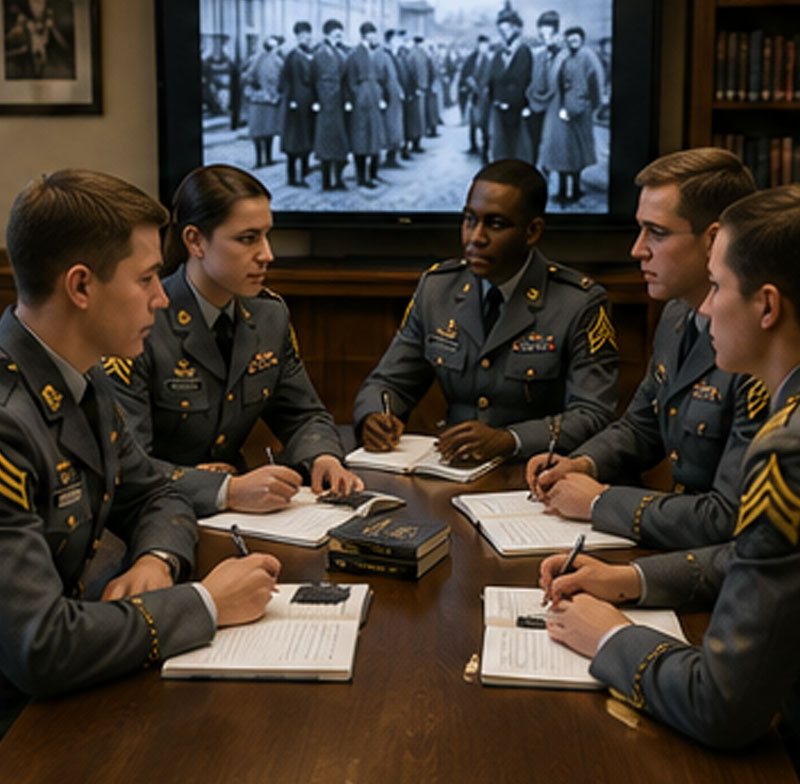
On 11 April 2021, Alan Moskin, who served int he 71st Infantry Division when it liberated Gunskirchen Concentration Camp (a sub-camp of Mauthausen), spoke with cadets and discussed his wartime experiences and his role in the liberation of Nazi concentration camps.
Lieutenant General (R) Romeo Dallaire:
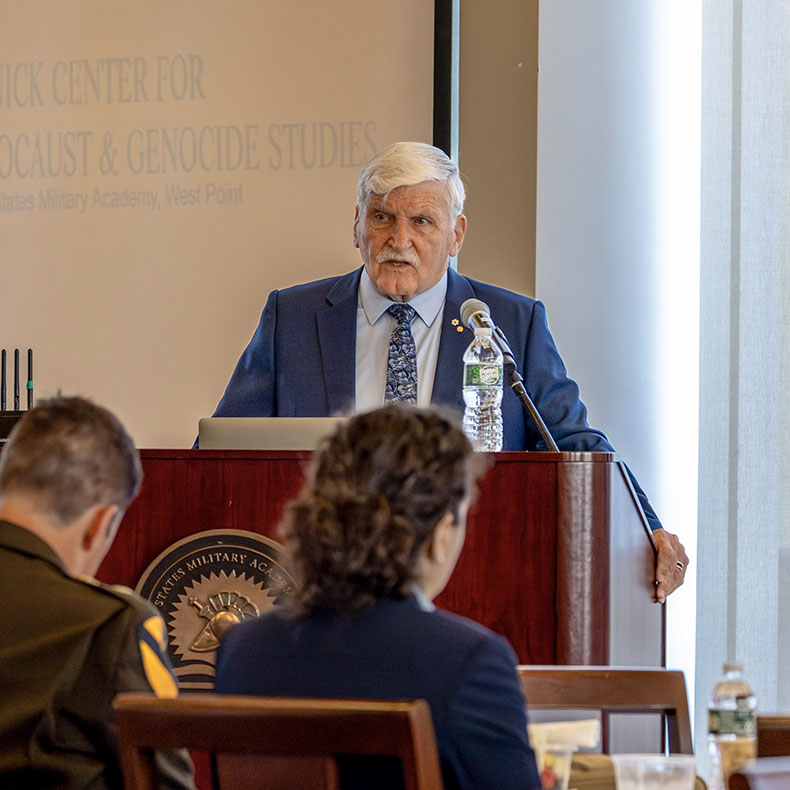
General Dallaire, the UN Force Commander during the Rwandan Genocide, has given many lectures and talks to cadets about his experience as the UN Force Commander in Rwanda during the Rwandan Genocide. On 20 October 2021, for example, General Dallaire provided a presentation entitled “Conflict Prevention in a Globalized World,” which challenged current and future military officers to rethink traditional notions of leadership and command in an increasingly complex post-Cold War world. For information on General Dallaire, please visit our Dallaire Archive page.
Dr. Christine Keren:
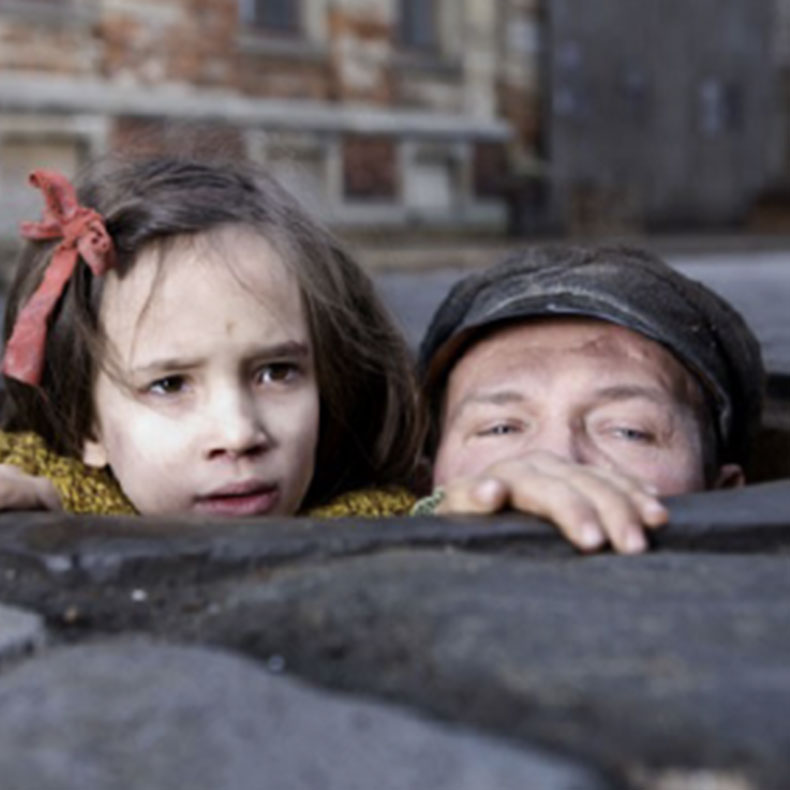
The RCHGS hosted three Holocaust survivors for the 2019 Day of Remembrance. Dr. Frey interviewed Dr. Christine Keren (Krysztyna Chiger), a child survivor who lived with her family in the sewers of Lvov (today Lviv). Her story is recounted in the book, The Girl in the Green Sweater, which is the basis for the Agnieska Holland film In Darkness. Dr. Keren was accompanied by her husband Marian, (also a Holocaust survivor), her sons Doron and Roger, and her friend Alexander Nadaner, who was a hidden child in Poland during the Holocaust.
Mr. Naftali Deutsch:
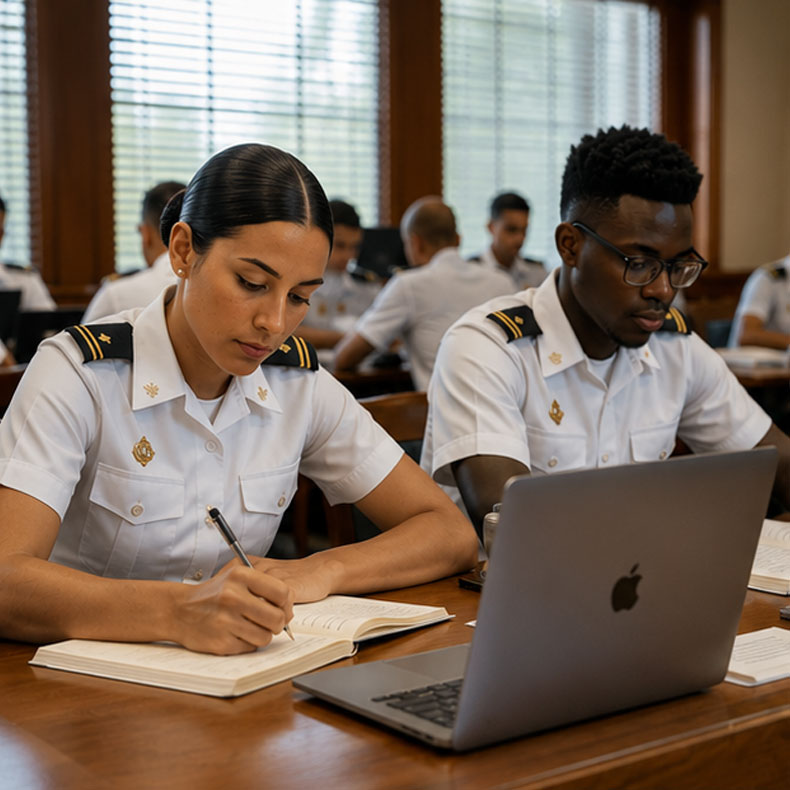
During the 2018 Day of Remembrance, Mr. Deutsch, a Holocaust survivor from Ukraine provided a stirring, painful, and awe-inspiring testimony for the West Point Center for Oral History (CoH). The RCHGS and CoH collaborate to create oral history resources of concentration camp survivors and liberators available to the public. Mr. Deutsch’s interview is available at the West Point Center for Oral History.
Dr. Al Münzer:
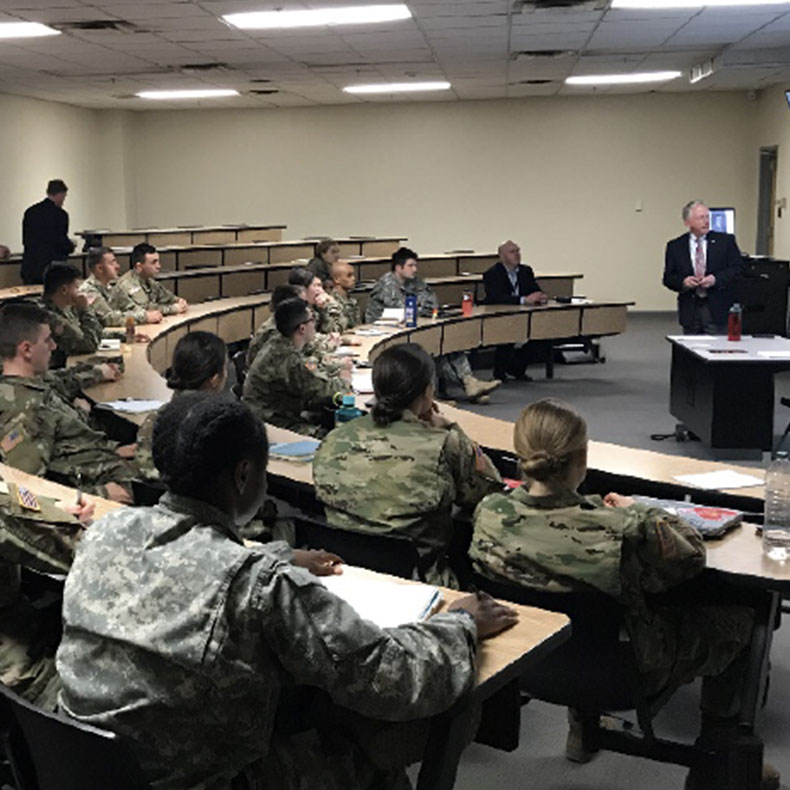
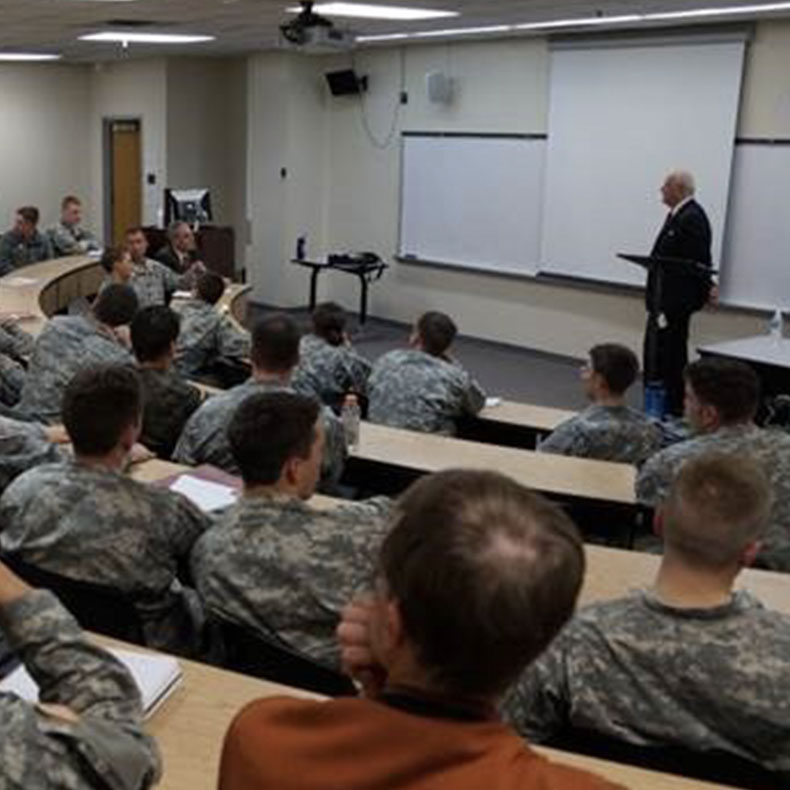
On 12 April 2018, Dr. Al Münzer, a child survivor of the Holocaust, spoke to cadets and faculty from multiple disciplines about his experience during the Holocaust, including how an Indonesian family rescued and hid him for two years in occupied Holland. Dr. Münzer spoke of how his experience of being taken in by Dutch Indonesians, who had nothing to gain and everything to lose, was a direct refutation of the Nazi racist worldview, and has inspired him to spread a message of humanity’s capacity for good.
Dr. Julian Kulski:
On 27-28 October 2015, Dr. Kulski, a veteran of the Polish Home Army who fought in the 1944 Warsaw Uprising spoke to cadets and faculty from multiple history and language courses. Kulski spoke of growing up in pre-WWII Poland and joining the Polish Underground at age 12. As a member of the Polish Underground, Kulski not only fought and hunted Germans but also gathered arms, some of which were smuggled into the Warsaw Jewish Ghetto prior to the 1943 Ghetto Uprising. Dr. Frey also interviewed Dr. Kulski for the Center for Oral History.