
Learning Through Collaboration
The Resnick Center hosts a wide range of programs that bring together cadets, faculty, service academy students, and global partners to deepen understanding of the Holocaust, genocide, human rights, and mass atrocity prevention. Our annual and biannual events combine academic rigor, interdisciplinary collaboration, and practical simulations designed to prepare future officers for complex ethical and operational challenges.
Annual Program
Joint Service Academies Mass Atrocity Prevention Symposium (JSAMAPS)
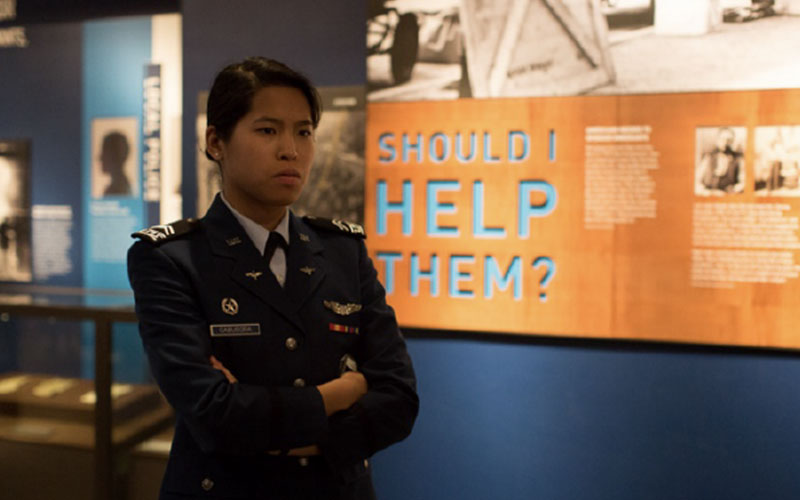
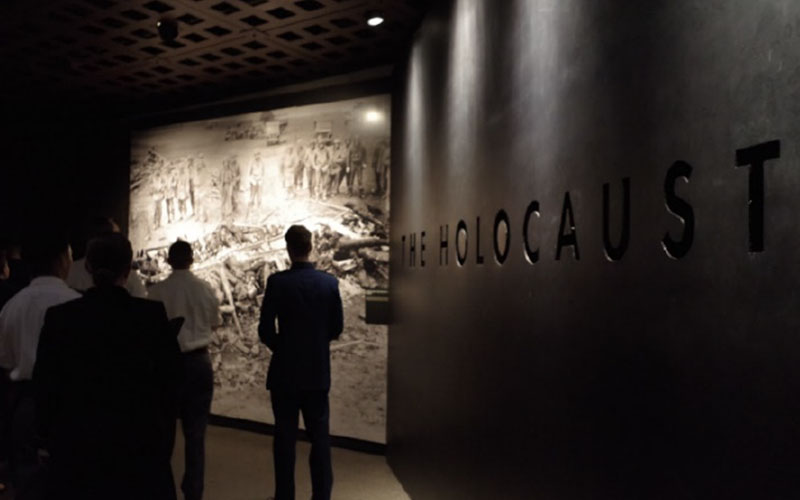
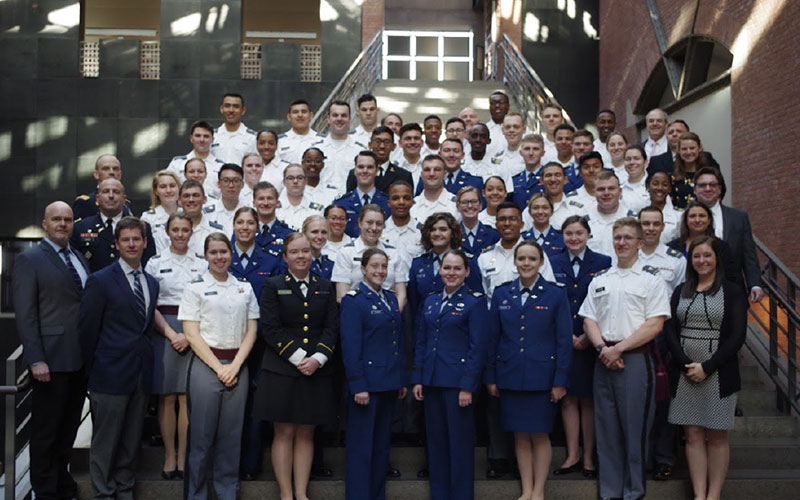
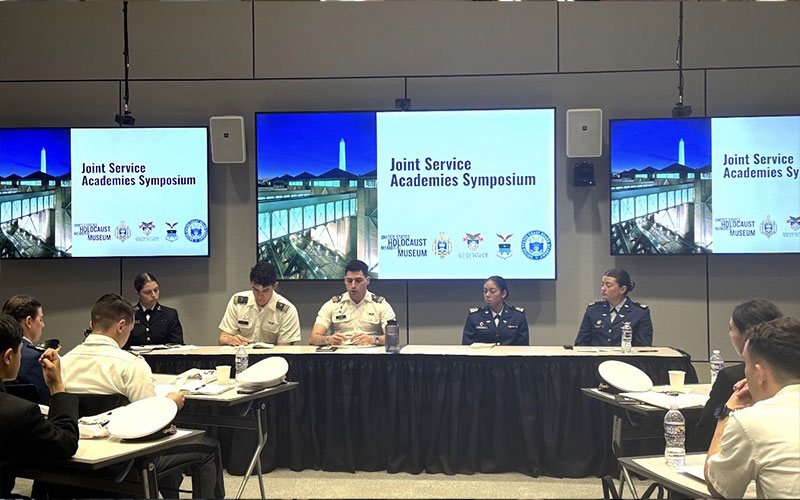
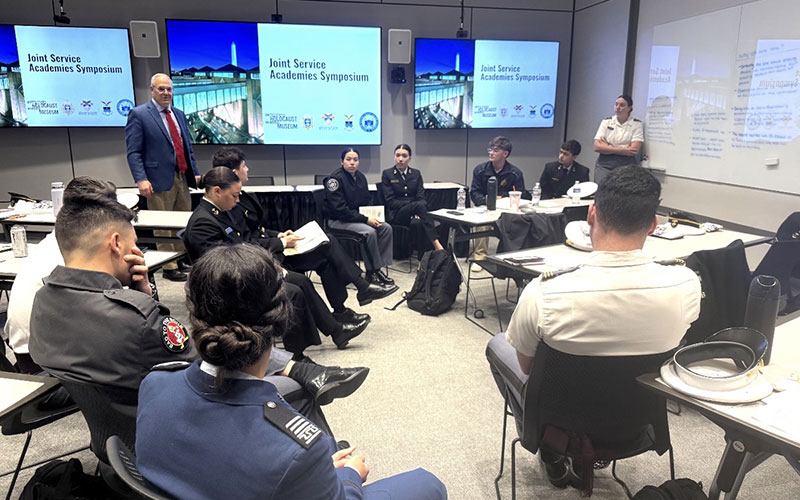
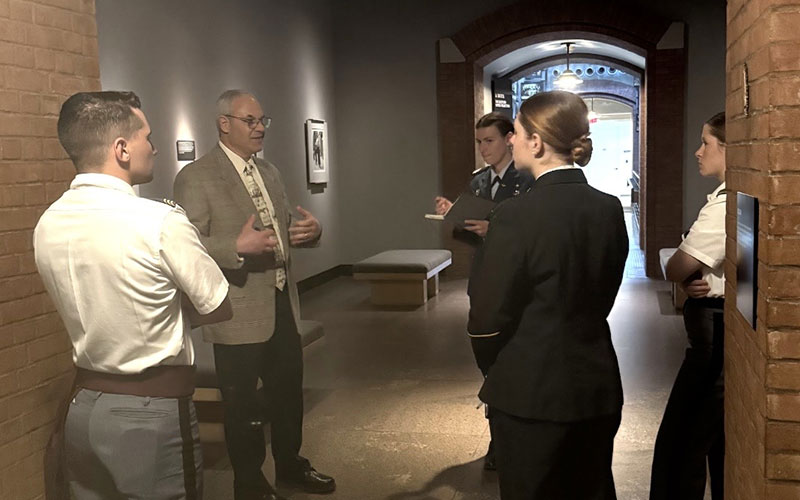
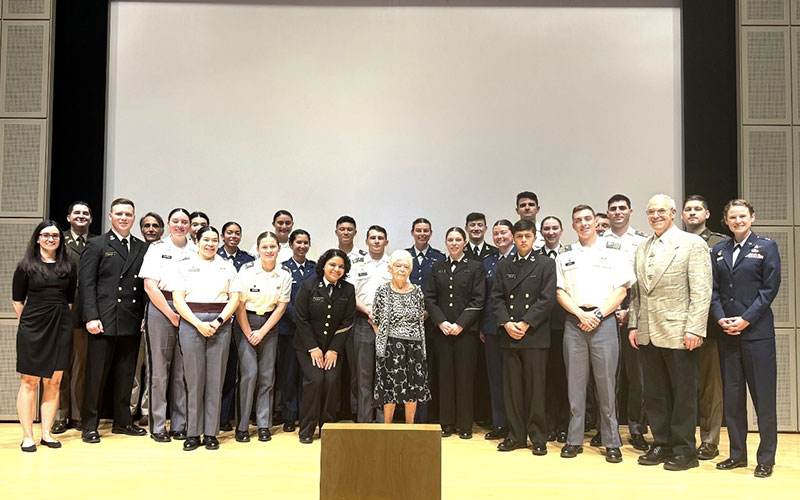
Each year, students from all U.S. service academies travel to Washington, D.C., for the Joint Service Academies Mass Atrocity Prevention Symposium, held at the U.S. Holocaust Memorial Museum. The symposium brings together students interested in the Holocaust, genocide, and atrocity prevention to share research, engage with experts, and build cross-service connections. Participants examine their moral and legal responsibilities as future military leaders and explore approaches to preventing mass violence.
Biannual Program
Mass Atrocity Education Workshop (MAEW)
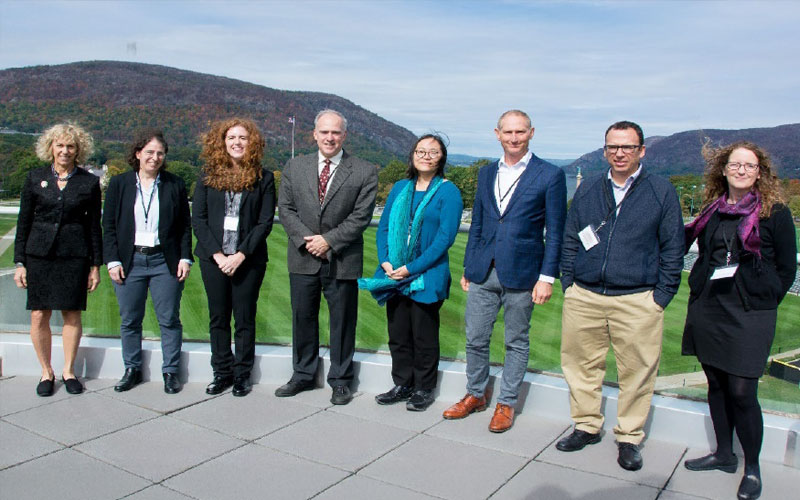
The Mass Atrocity Education Workshop, held in partnership with the U.S. Holocaust Memorial Museum, convenes faculty from the U.S. service academies and professional military education institutions. The workshop explores themes in Holocaust and genocide studies and supports the development of interdisciplinary curricula that strengthen ethical awareness and leadership in military education.
Past themes include:
- 2025: Artificial Intelligence and the Holocaust: From Distortion to Discovery
- 2023: Mis/Disinformation: Before, During, and After the Holocaust
- 2018: Prevention Now, Prevention in the Future
- 2017: Geospatial Information Sciences, Gender Studies, History, and Ethics/Character Development
- 2014–2015: Multidisciplinary Approaches to Holocaust and Genocide Education
Biannual Program
Mass Atrocity Prevention Practicum (MAPP)
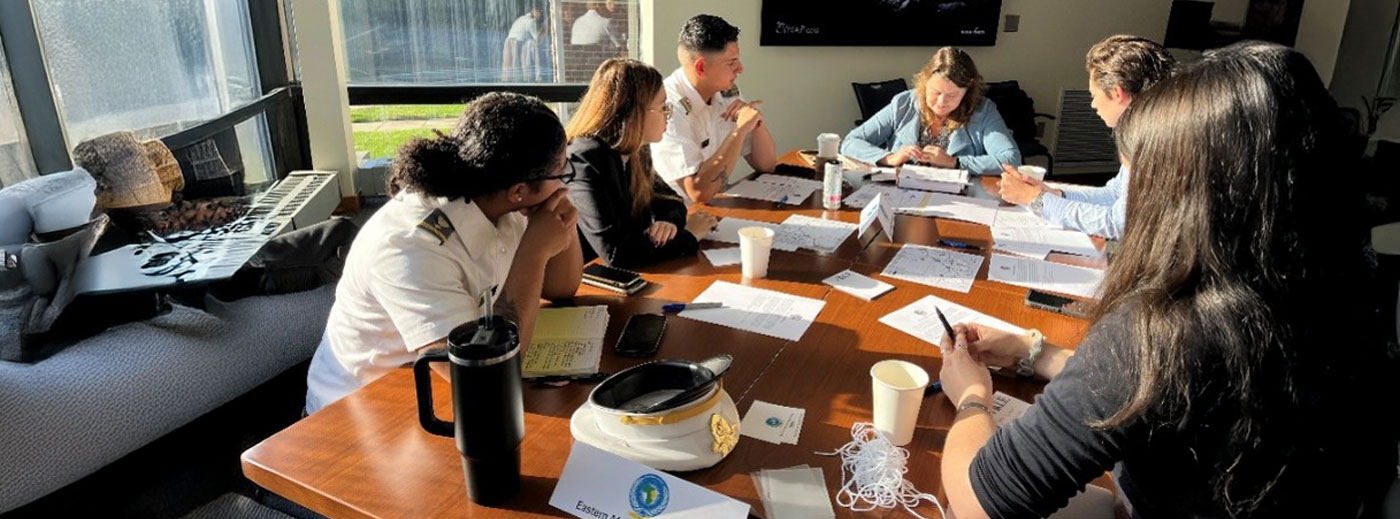
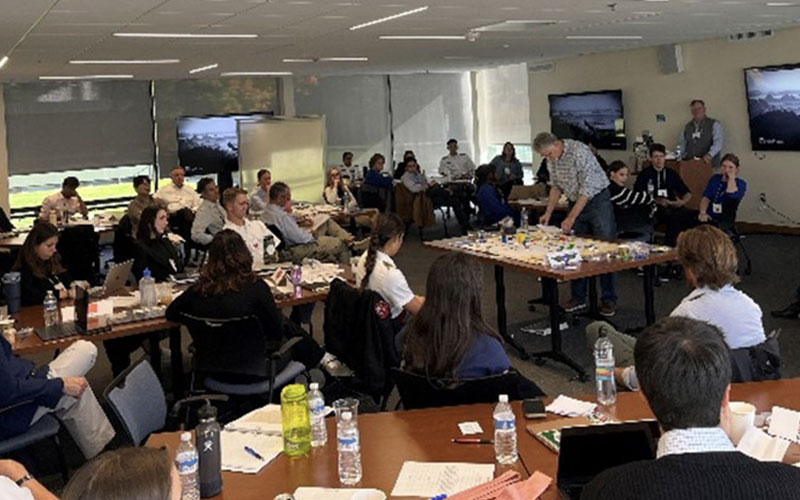
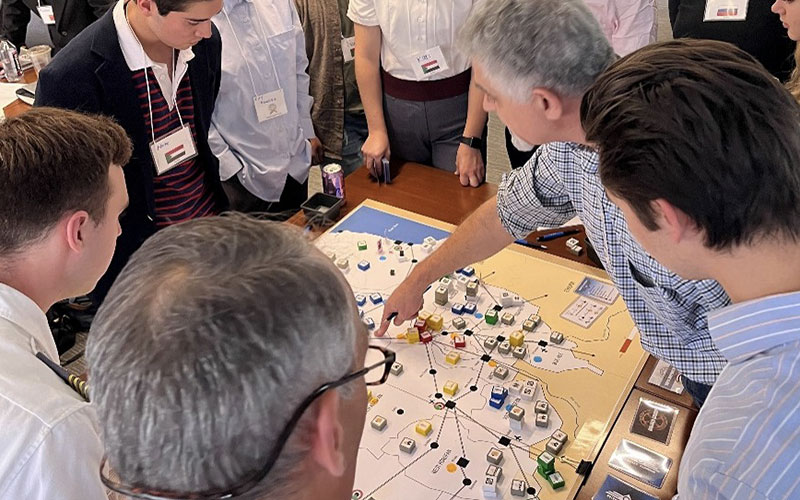
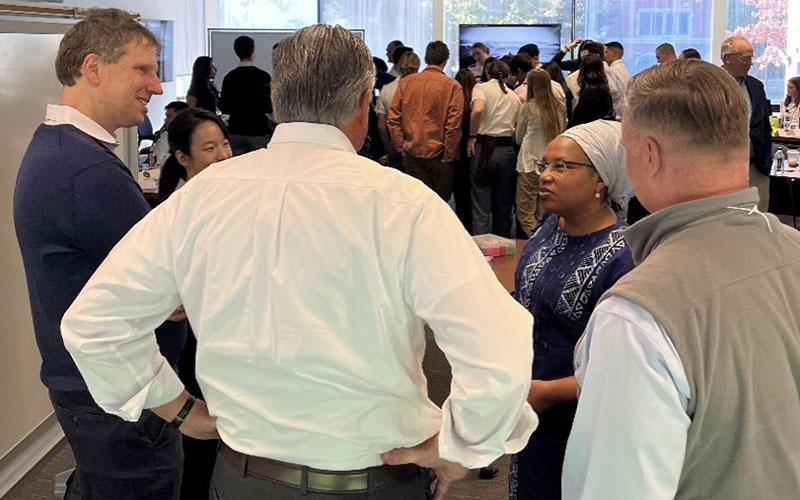
The Mass Atrocity Prevention Practicum is a one to three day simulation designed to give students hands on experience navigating emerging or ongoing mass atrocity scenarios. Conducted in partnership with institutions such as Binghamton University’s Institute for Genocide and Mass Atrocity Prevention and Yale’s Genocide Studies Program, MAPP brings together students from service academies and civilian universities.
Mixed teams assume the roles of governments, NGOs, international organizations, and local actors, responding to fast moving crises under conditions of uncertainty and competing strategic interests. Past scenarios have focused on:
- 2024: Sudan
- 2022: Gaza
- 2020: Sri Lanka
Originally developed by a senior CIA officer who served on the Obama Administration’s Atrocity Prevention Board, the exercise continues to evolve, most recently guided by experts at the Naval War College.
Past Conferences
The Opening of the Dallaire Archive and the 30th Commemoration of the Genocide in Rwanda (2024)
In September 2024, the Resnick Center, the History Department, and the Jefferson Library commemorated the opening of the Dallaire Archive and honored the enduring contributions of General Roméo Dallaire. The two day event featured discussions on his leadership, advocacy, and the continuing lessons of the 1994 genocide against the Tutsi in Rwanda.
Past Symposia and Training
“Prevention Now, Prevention in the Future” (2018)
Held at the U.S. Holocaust Memorial Museum, this symposium brought together more than 30 educators and practitioners from the U.S. and Canada. Co organized with the Museum’s Levine Institute and the Command and General Staff College, it strengthened collaboration between military and academic institutions engaged in atrocity prevention.
Africa Symposium (2017)
The fourth West Point Africa Symposium gathered experts, practitioners, and cadets to examine security, mass violence, and sustainability across the African continent. Featured speakers included Ambassador Bill Garvelink, GEN David Rodriguez, and leaders from USAID and Partners Global. The event was co-sponsored by the Departments of Geography and Environmental Engineering, Foreign Languages, and History.
Modern War Institute & Resnick Center Panel Series (2016)
A joint panel series titled “Bosnia: History, Genocide, Survival, and Justice” explored the legacy of violence in the Balkans and its lessons for contemporary conflict.