
History Beyond the Classroom
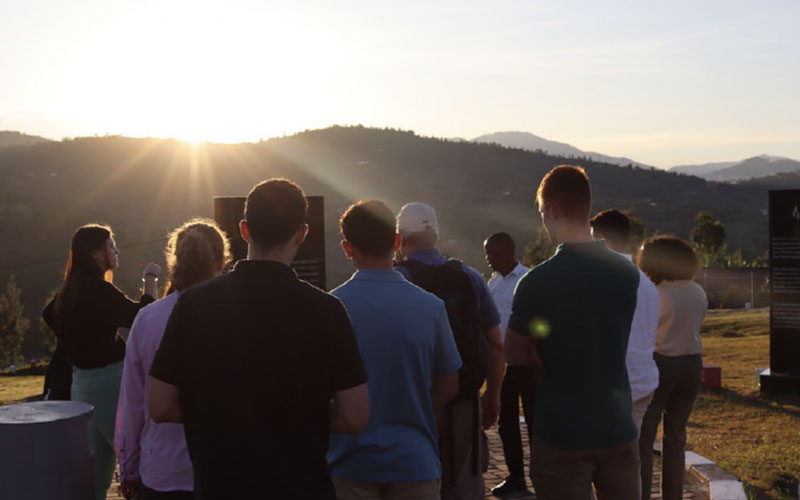
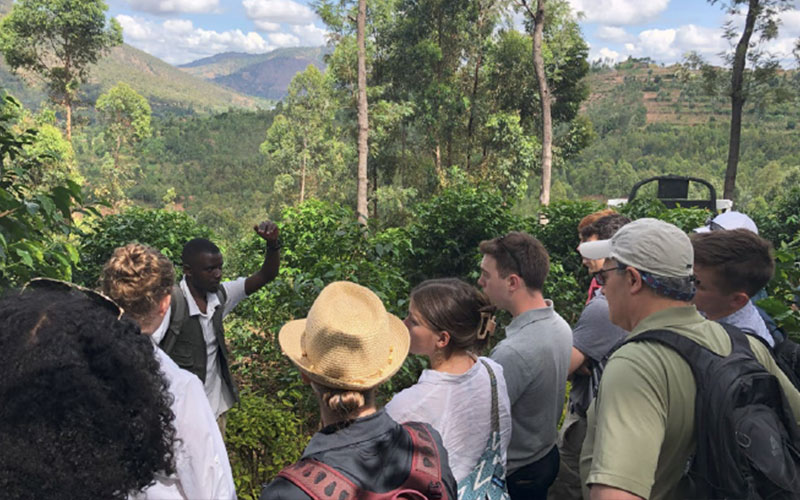
Staff rides immerse cadets in the landscaprs, memorials, institutions, and communities connected to the events they study. Through intensive travel, research, discussion, and firsthand engagement, cadets encounter the complexities of conflict and mass atricity in ways that cannot be replicated in the classroom.
2023 Staff Ride
Rwanda
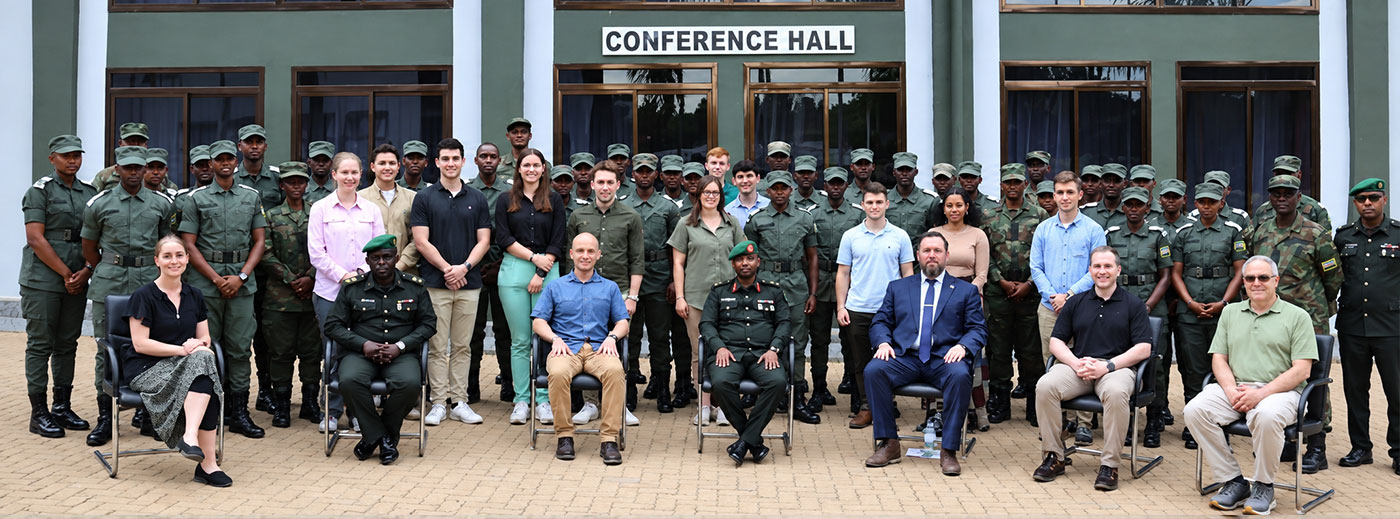
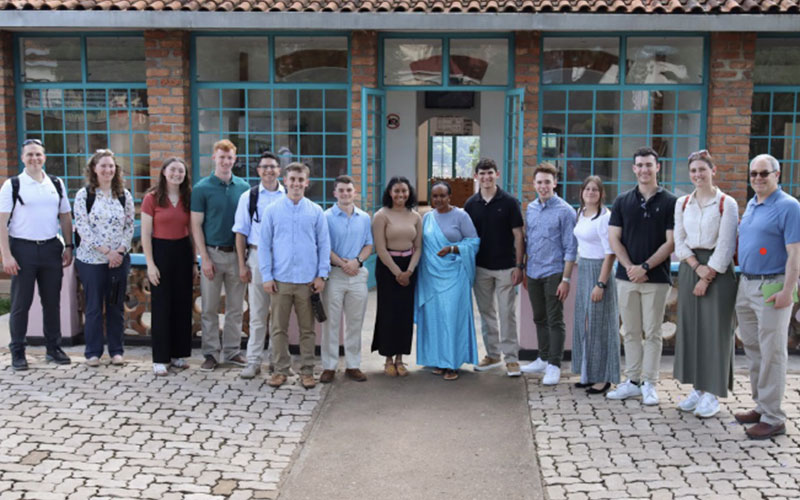
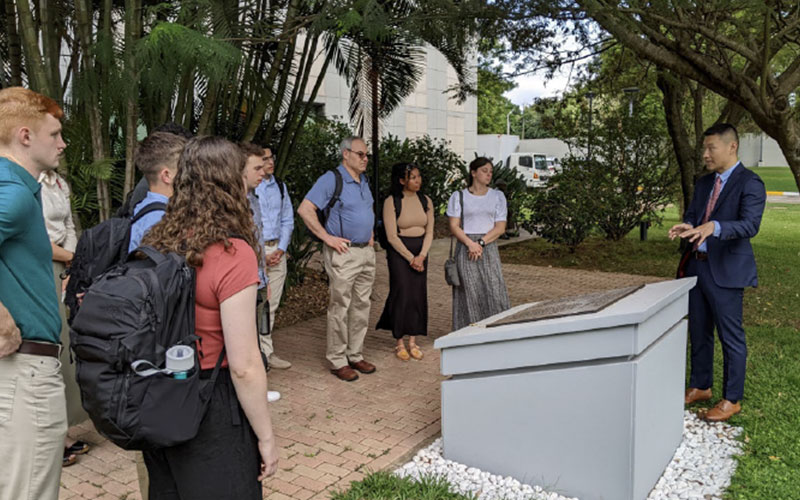
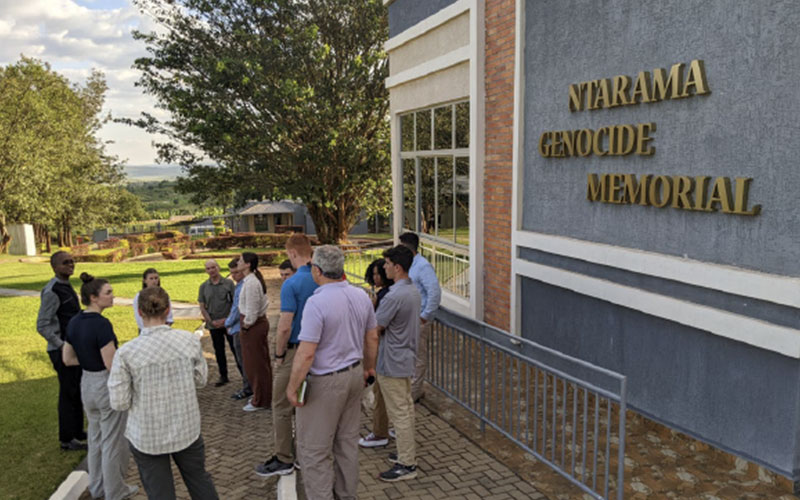
The History Department and the Resnick Center for Holocaust and Genocide Studies collaborated to create an in-depth exploration of Rwanda. Three years in the making, this intensive study began on 30 May and concluded on 17 June 2023. Eleven cadets from History, Foreign Languages, Geography, and Space Science joined faculty from the History and Foreign Languages departments for this unique academic experience.
Planned primarily by COL (R) Jason Musteen and MAJ Kris Seibt, the trip functioned as a rigorous three–credit-hour History course. Cadets completed projects, wrote papers, and delivered presentations as part of the academic requirements.
2016 Staff Ride
Bosnia & Croatia
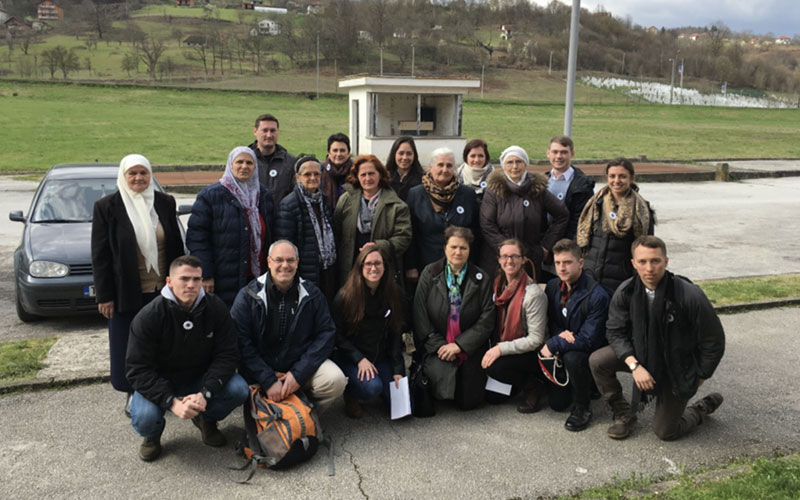
Focused on the history, memory, and atrocities of the region—specifically in Bosnia and Croatia—this trip took cadets to memorials, museums, camps, and historically significant sites in Sarajevo, Srebrenica, Mostar, and Dubrovnik. Cadets met with mothers and survivors of the Srebrenica genocide, forensic scientists, embassy personnel, and Bosnian scholars.
The experience began with a panel at West Point, organized by the Center for Holocaust and Genocide Studies in collaboration with the Department of Law and the Defense Strategic Studies program. The panel included a New York University scholar specializing in Southeastern Europe, a Special Advisor to and former judge on the War Crimes Chamber at the Court of Bosnia and Herzegovina, a West Point colonel who had captured war criminals in Bosnia, and a Bosnian genocide survivor.
Center-Supported Study and Travel
The Resnick Center has supported study and travel conducted by other departments, enabling them to incorporate Holocaust and genocide-related content into their programs. Examples of such initiatives conducted over the past decade include the following:
2019 Staff Ride
Ethics and Literature in Prague
During this ten-day Advanced Individual Academic Development (AIAD), LTC Michael Vick, Cadet Ariana Adkins-Mills, and Cadet Javier Fernandez examined the morality of war, including questions of why wars are waged, and explored how literature gives meaning to the human experience of war.
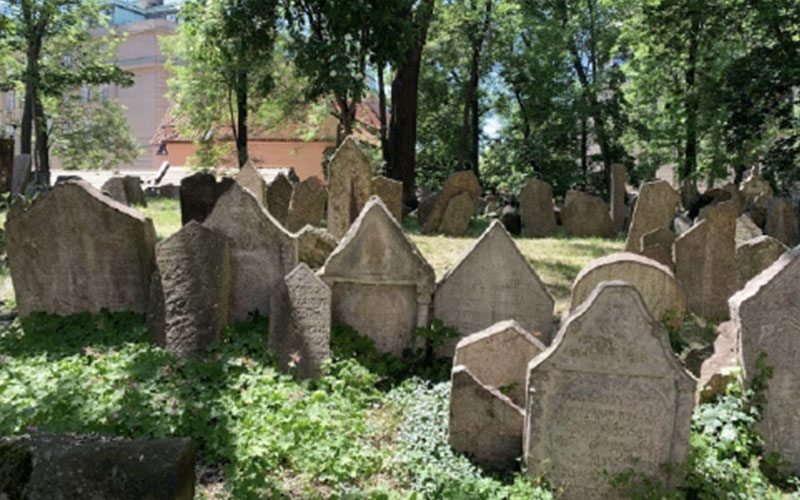
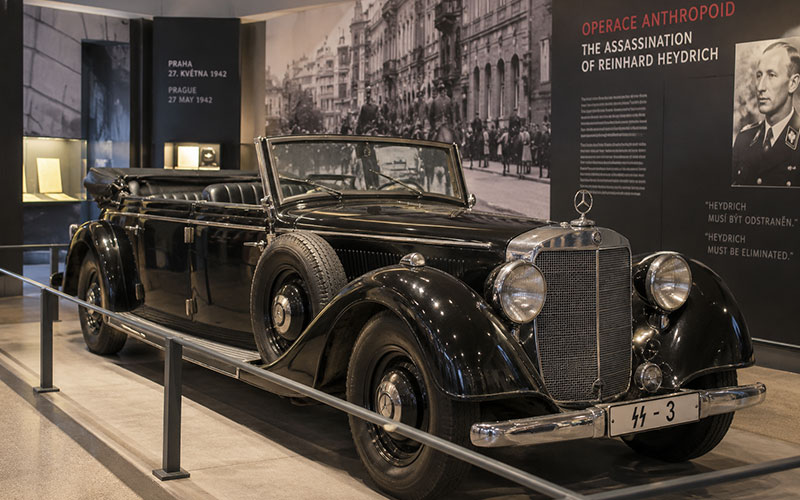
Using 1940s Czechoslovakia as the historical backdrop, the AIAD focused on key World War II events—most notably the assassination of SS leader Reinhard Heydrich—to facilitate discussion and learning. In this iteration of the program, Dr. Frey also addressed Central European modernist art. One of the cadets’ post-trip projects was the initial development of a graphic history based on the stories and sites encountered.
2016—2018 Staff Ride
Heydrich Assassination Advanced Individual Academic Development Program
Run by the Department of English and Philosophy with support from the Resnick Center for Holocaust and Genocide Studies, this AIAD focused on the ethical dimensions of warfare—specifically why and how wars should be waged—as well as on understanding how literature shapes the human experience of war.
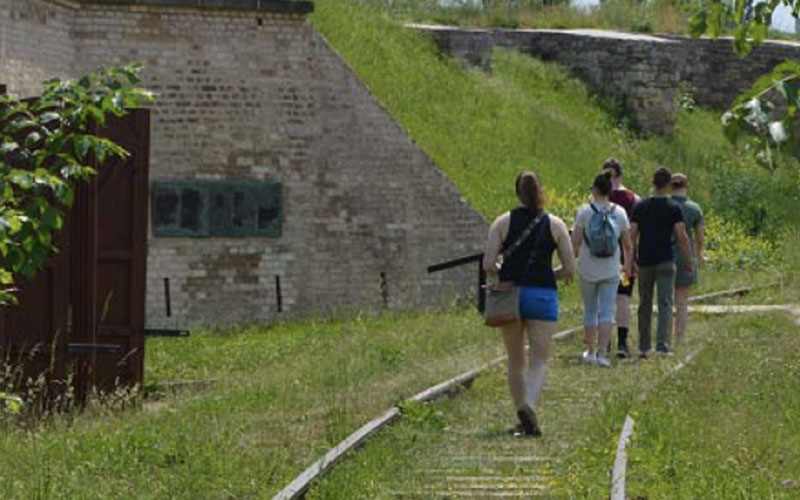
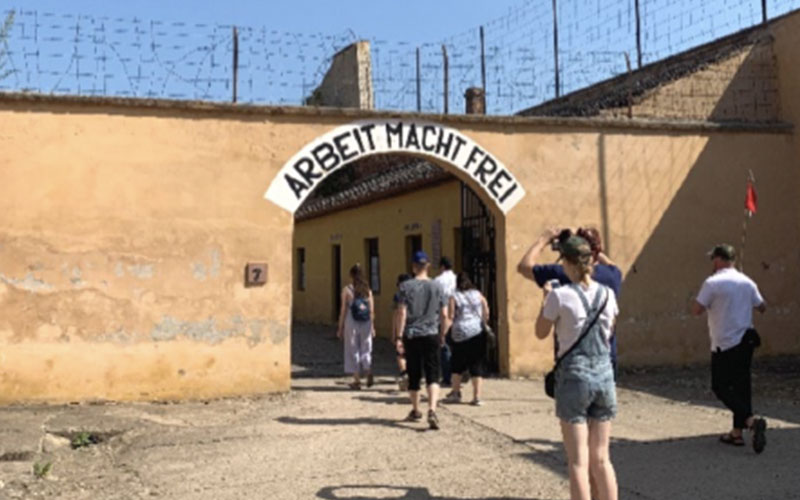
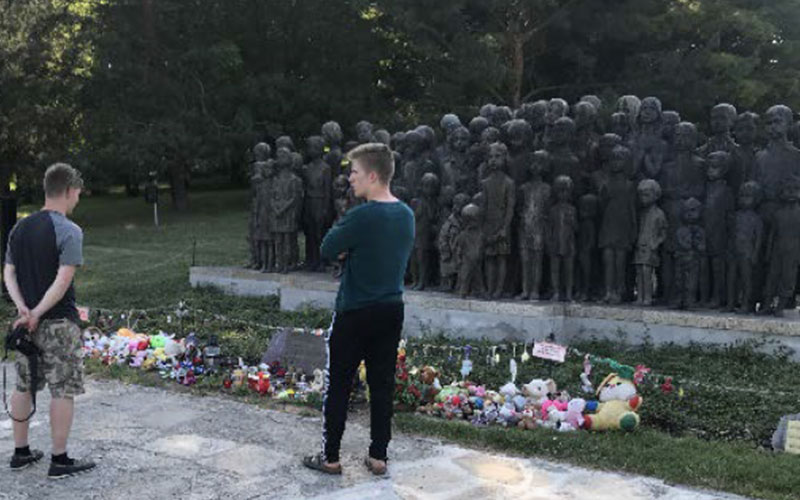
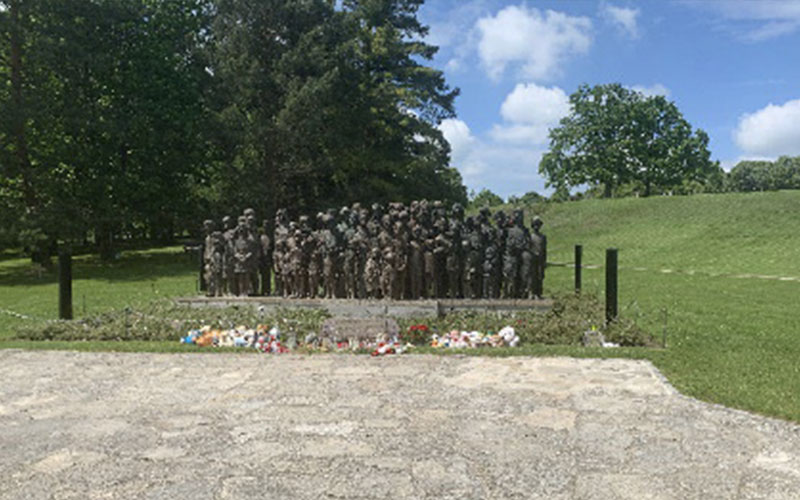
Cadets retraced the route of Heydrich’s car on the day of his assassination and visited the National Memorial to the Heroes of the Heydrich Terror, Lidice (the town destroyed by the Nazis in reprisal), and numerous other significant sites, including Prague Castle, the Old Town battlegrounds, and underground tunnels used by resistance fighters. The program also included a visit to the Theresienstadt concentration camp, where cadets examined the effects of Nazi occupation and the incorporation of Bohemia and Moravia on Czechoslovak Jewish communities.
2015 Staff Ride
Life during the Holocaust
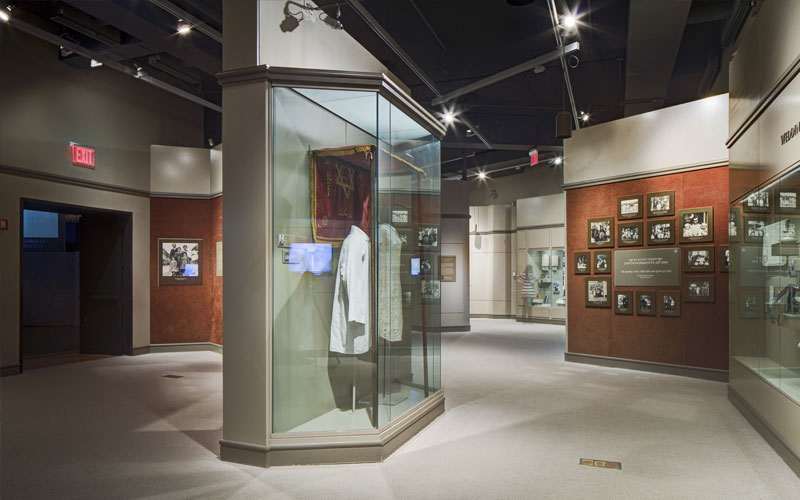
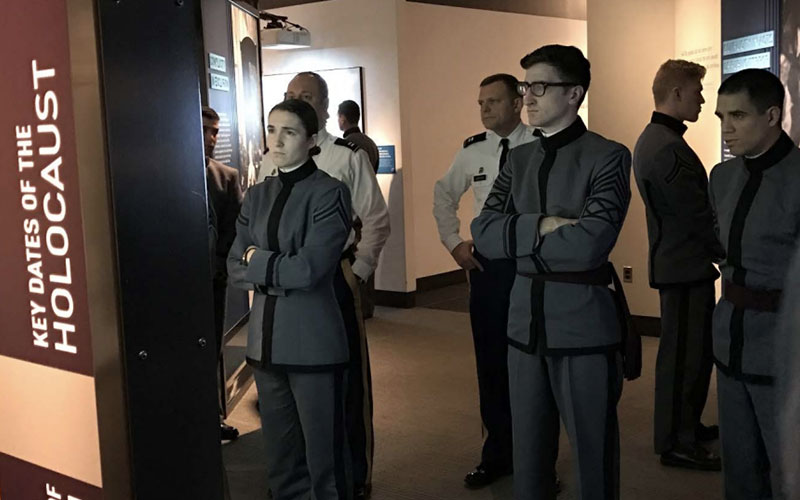
Cadets toured the Museum of Jewish Heritage and examined the effects of World War II and the Nazi genocide on Jewish life. Discussions focused on cultural identity, moral responsibility, and the actions—or inactions—of states during the Holocaust.
Cadets also heard from Ms. Toby Levy, a Holocaust survivor, who shared her experiences during Nazi Germany’s occupation of Poland and the implementation of the “Final Solution.”
2014 Staff Ride
War Crimes
Run by the Department of Law, this staff ride took cadets to Bosnia, Croatia, Germany, and the Netherlands to examine the brutality of war and efforts to bring war crimes perpetrators to justice. The program explored the challenges of using international and criminal law to prosecute war crimes.