
Leadership under Pressure
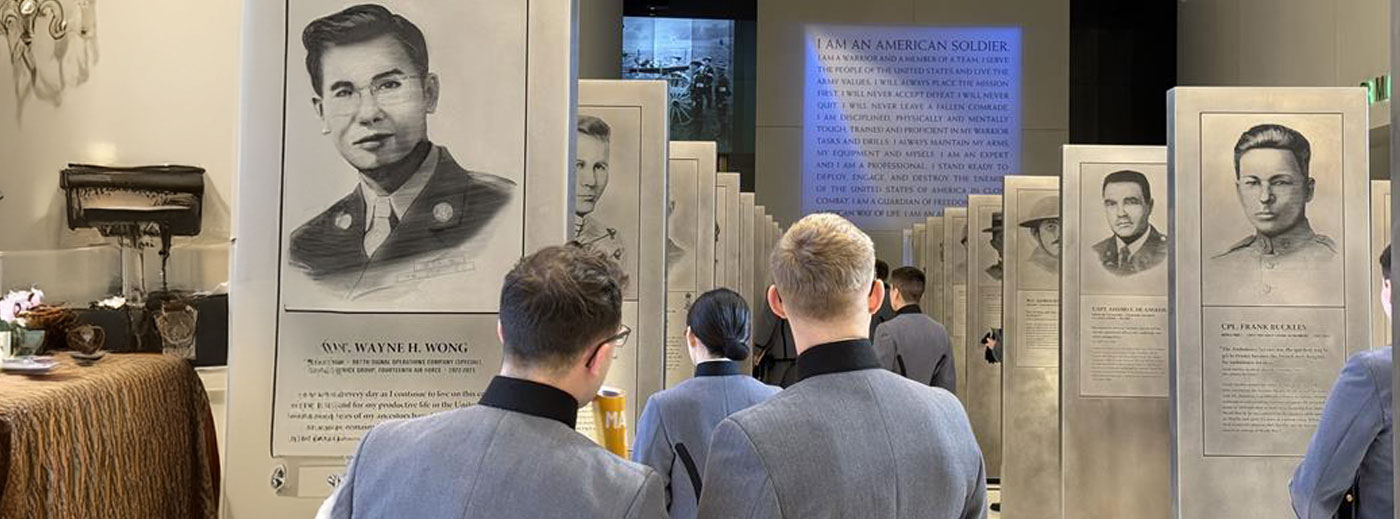
The study of genocide and mass atrocity prepares military leaders to make ethical, informed and decisive choices in the most challenging environments. At the Resnick Center for Holocaust and Genocide studies, we equip current and future leaders with a deep understanding of the causes, contexts, and consequences of genocide—and the responsibility they carry to prevent future atrocities.
The Leadership Test
Understanding Decisions and Their Consequences
Genocide represents one of the greatest leadership tests imaginable. By examining why leaders in the past have chosen mass violence, how ordinary people become complicit, and what enables others to resist or stop atrocities, cadets gain insight into human behavior under extreme pressure. These cases illuminate the moral courage required to uphold values, the operational decisions that shape outcomes, and the consequences of ethical failure.
From Study to Leadership
Preparing for Complex Crises
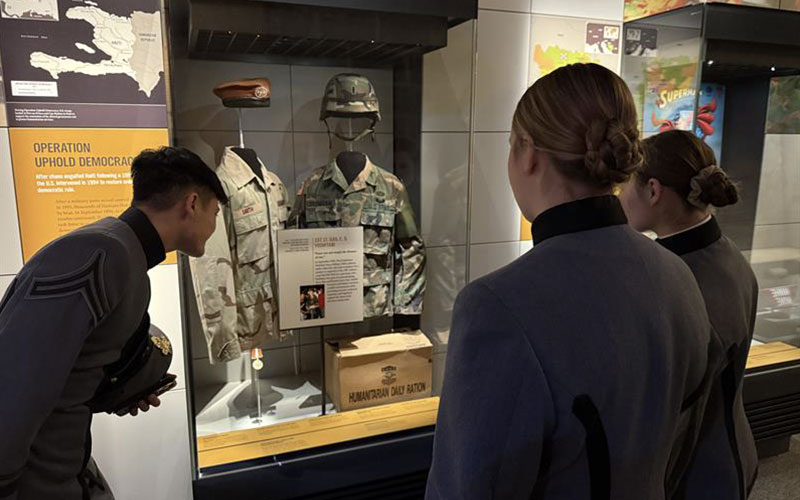
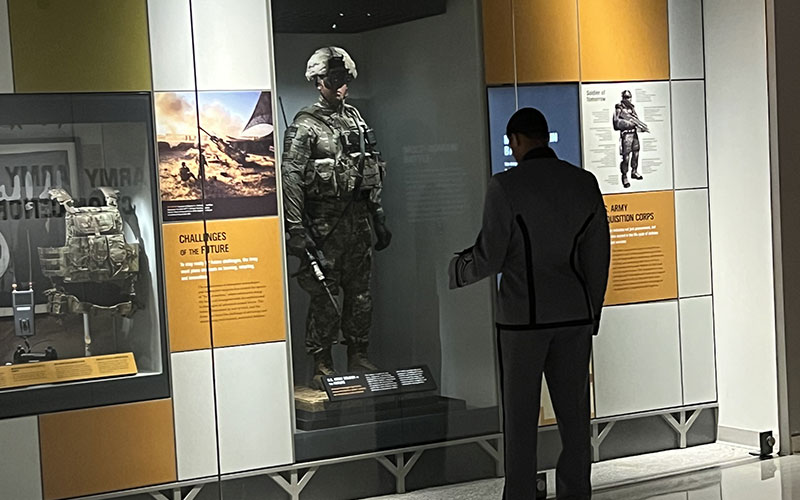
Studying genocide is not only about understanding the past—it is about preparing leaders who may one day be first responders, planners, or strategic advisors in complex crises. It teaches them about how others have navigated the intersection of policy, practice, so they are inspired and able to lead with integrity when the stakes are highest.
How We Develop Leaders
To learn more about how the Resnick Center’s programs contribute to building better military leaders, explore our: