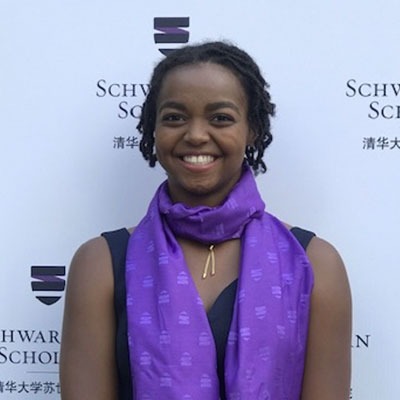

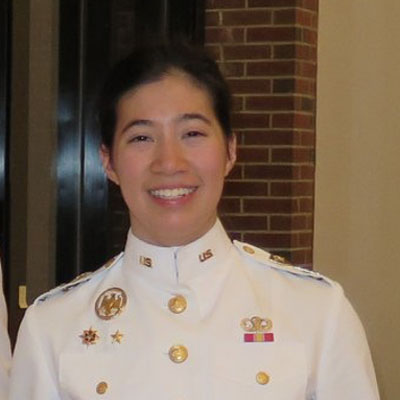
2 LT Nette Monaus, USMA ‘18
In a time when the number of living survivors of the Holocaust is rapidly declining, the famous talk show host Oprah asked the late Nobel Laureate and Holocaust Survivor Elie Wiesel how the history of tragic events live on once those who have witnessed it have passed away. He replied, “to listen to a witness is to become a witness.” In this response is an incredible responsibility and call to action to protect the past and safeguard the future. This feeling of duty is what motivates my study of mass atrocities. Once exposed to the history of atrocities, the victims, and perpetrators, there arises a sense of duty to not let those horrendous acts be forgotten. Even more so, it has fueled me to join a community, such as those involved in West Point’s Center for Holocaust and Genocide Studies, who share the same desire to prevent further tragedies from happening in any way possible.
The study of atrocities has changed my life by exposing me to extreme examples of cruelty, hate and egregious disregard of life. It has inspired me to do my part in ensuring that communities today do not face such suffering. Not only has studying atrocity changed how strongly I desire to live without indifference, but it has filled me with dignity and respect for those I come across. I have taken actionable steps to prevent future atrocities. Being part of a team that created a symposium to educate military academy students about mass atrocity prevention was the first of many ways I plan on dedicating my life to this service. As I pursue my graduate degree in Schwarzman College at Tsinghua University in Beijing, China, my capstone project will study what is China’s role, as a rising world power, in international humanitarian intervention. I also have an assignment that allows me the opportunity to learn about the workings of the UN Global Compact which holds companies, including those in China, accountable to operating under the principles of human rights, labor, and anti-corruption for the betterment of society. In such ways and more, studying mass atrocities has given my future a sense of purpose that I did not have before by illuminating a cause about which I care deeply about. I know that I am a witness; I hope this is the same for anyone who has heard and seen the realities of mass atrocities. What we do now matters, and what I will do as an Army officer certainly will matter.
© 2026 · West Point Resnick Center for Holocaust and Genocide Studies